

Key takeaways
What you’ll get from this article
- **Start within your first month.** Apply for a secured or newcomer credit card as soon as you have a SIN and an address.
- **One card, used small, paid in full.** That’s the whole formula for the first year.
- **Pay on time, every time.** Payment history is the single biggest factor in your score.
- **Keep your usage under 30%** of your credit limit — under 10% is even better.
- **Plan for 6 to 12 months** before you have a usable score, and about 2 years before you have a strong one.
A lot of newcomers land in Canada with savings, a job offer, maybe even a down payment ready — and then get turned down for a phone plan. Not because they can’t afford it. Because the system has no record that they exist.
That’s the credit score problem. In Canada, your financial reputation doesn’t travel. Whatever you built back home — twenty years of paying your mortgage, a perfect record with your bank in Manila or Mumbai or Ho Chi Minh City — none of it transfers. You walk off the plane with a clean slate, which sounds nice until you realize a clean slate is the same thing as no slate at all.
The good news: building credit in Canada is not complicated. It just takes time and one or two correct moves early. Here’s the plan I’d give a cousin landing next month.
First, understand what a credit score actually is
A credit score is Canada’s way of asking one question: can we trust this person to pay back borrowed money?
Two companies — Equifax and TransUnion — collect information about how you handle credit. Every time you borrow (a credit card, a car loan, a phone plan on contract), the lender reports your behaviour to them. Did you pay on time? Did you pay the full amount? How much of your limit are you using? They feed all of that into a number between 300 and 900.
- 300–559: Poor
- 560–659: Fair
- 660–724: Good
- 725–759: Very good
- 760–900: Excellent
If you’ve never borrowed in Canada, you don’t have a low score. You have no score. And for landlords, banks, and phone companies, no score often looks worse than a bad one. They can’t see anything, so they assume the worst.
Step 1: Get your SIN and a Canadian address
Nothing happens without these two. Your SIN (Social Insurance Number) is how every financial institution identifies you. Your address is how they verify you’re real. Get the SIN within your first week — Service Canada offices issue them on the spot. Use a permanent address if you have one. A friend’s address or a relative’s address is fine to start, as long as mail actually reaches you there.
Step 2: Open a chequing account at a major bank
This doesn’t build credit by itself, but it’s the foundation for everything that comes next. The big six banks (RBC, TD, Scotiabank, BMO, CIBC, National Bank) all have newcomer programs that waive monthly fees for a year and bundle in a credit card offer.
The credit card offer is the part that matters. Banks will often issue a newcomer card without requiring Canadian credit history, because they already see your account, your deposits, and your salary going in. That’s a shortcut a lot of newcomers don’t realize exists.
Step 3: Get one credit card. Just one.
You have three options, in rough order of preference:
Option A: A newcomer credit card from your bank
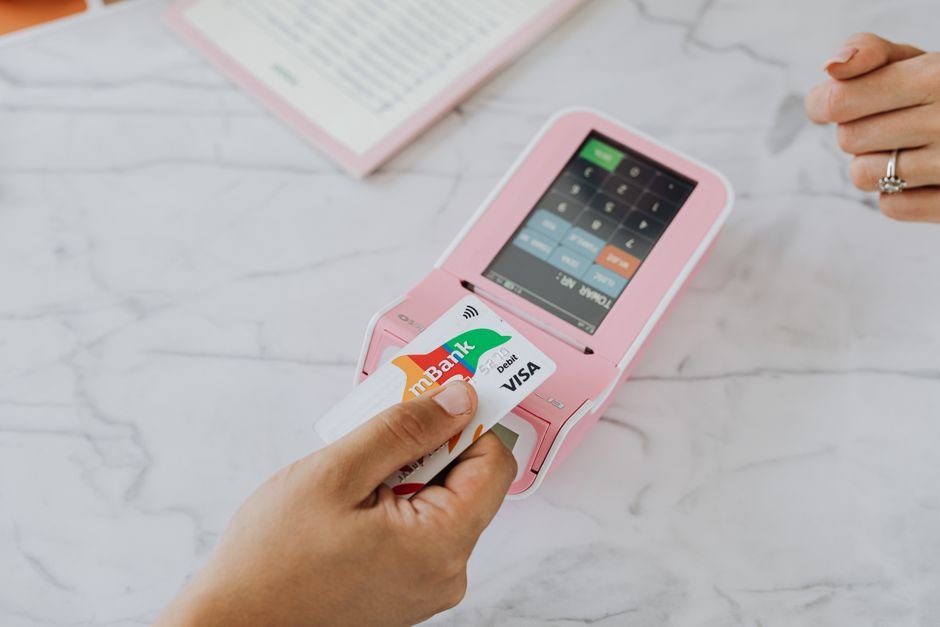
If your bank offers you one as part of the newcomer package, take it. These cards usually have a low limit ($500 to $2,000) and no annual fee for the first year. They report to the credit bureaus the same as any other card.
Option B: A secured credit card
If you can’t get a regular card, a secured card is the next best thing. You put down a deposit (often $200 to $500), and the bank gives you a card with a limit equal to that deposit. The deposit is just collateral — it sits in an account and you get it back when you close the card or upgrade to an unsecured one.
To the credit bureaus, a secured card looks identical to a regular card. Same reporting. Same impact on your score. The deposit doesn’t show up anywhere on your credit report.
Option C: A credit-builder card from a fintech
A few Canadian fintechs offer prepaid or app-based cards specifically designed for people building credit. They usually don’t require a credit check and they report your payment history to the bureaus.
One card is enough. I want to repeat that because it’s where most people go wrong. Do not apply for three cards in your first month thinking it’ll build credit faster. Each application creates a “hard inquiry” on your report, and too many inquiries in a short window actually hurts your score. One card, used correctly, builds credit just fine.
Step 4: Use the card the right way
This is the part that matters most. The rules are simple but you have to follow them.
Use it for small, regular purchases. Groceries. Your phone bill. A streaming subscription. Things you were going to pay for anyway. The goal is activity, not spending more.
Pay the full statement balance every month. Not the minimum. The full amount. Set up automatic payment from your chequing account so you never miss. Late payments are the single most damaging thing for a new credit file.
Keep your usage low. The credit bureaus look at something called “credit utilization” — how much of your limit you’re using. Under 30% is good. Under 10% is better. If your limit is $1,000, try to keep your balance under $100 when the statement closes. This sounds strict, but it matters more than people realize.
The whole formula for year one: one card, small purchases, paid in full and on time, every month. That’s it. There is no faster way and no clever trick.
Step 5: Check your credit report after six months
After about six months of activity, you should have a real credit score for the first time. Both Equifax and TransUnion let you check your own report for free — and checking your own report does not hurt your score. That’s a myth. Only lender inquiries (called “hard pulls”) affect your score.
Look for two things when you check:
- Is your card showing up correctly, with on-time payments reported?
- Are there any accounts or inquiries you don’t recognize?
Errors happen. Identity theft happens. Catching it early matters.
Step 6: After 12 months, expand carefully
Once you have a year of clean history, you can do a few things to strengthen your file:
Ask for a credit limit increase on your existing card. A higher limit (with the same low usage) improves your utilization ratio. Some banks will do this automatically. For others, you have to call and ask.
Consider a second card — but only if you’ll use it responsibly. Two cards used well looks better than one. Three or more is usually unnecessary for most people.
If you have a secured card, ask to upgrade it. After 12 months of on-time payments, most banks will convert your secured card to a regular unsecured one and return your deposit. Don’t close the secured card and open a brand new one — you want to keep the original account open because account age helps your score.
The mistakes I see over and over
Carrying a balance “to build credit faster.” This is the biggest myth in Canadian personal finance. Paying in full every month builds credit identically. Carrying a balance just gives you a 20% interest bill.
Applying for too many cards at once. A friend tells you about a card with a great signup bonus. You apply. Then your bank offers you one. You apply. Then you see a cashback card and apply again. Three hard inquiries in two months. Your score drops before it even started.
Closing your first card after you get a better one. Older accounts help your score because they show a long history. Keep your first card open even if you stop using it much. Put one small recurring charge on it (like a $10 subscription) and let auto-pay handle it.
Ignoring small bills that go to collections. A $40 unpaid bill from a doctor’s office or a phone company can land in collections and tank your score for years. If you get a bill you didn’t expect, deal with it — don’t let it sit.
What about parents who’ve been here 20 years with no credit?
This is its own situation, and it’s more common than people think. A lot of our parents paid cash for everything for decades. They own their home outright. They have money in the bank. And the system still treats them like they don’t exist.
The fix is the same as for a newcomer. One card. Small purchases. Paid in full every month. Six to twelve months later, they have a score. The hard part isn’t the mechanics — it’s convincing a parent who survived without credit for 30 years that they should suddenly start using a credit card now.
The frame that usually works: This isn’t borrowing. We’re not buying things we can’t afford. We’re using the card to pay for things you’d buy anyway, and then paying it off the same day. The bank is just watching, so that one day if we ever need them — for a mortgage, for a car loan, to co-sign for a grandchild — they’ll say yes.
The realistic timeline
To set expectations honestly:
- Month 1: SIN, bank account, credit card application.
- Months 2–6: Using the card, paying in full, no visible score yet.
- Month 6–7: First score appears. Usually somewhere in the fair-to-good range.
- Month 12: Score has climbed. Eligible for better cards, higher limits.
- Year 2: Strong file. Ready for major decisions like a mortgage application.
- Year 3+: Excellent range, if you’ve kept everything clean.
There is no way to skip steps. There are products that promise to “boost your score in 30 days” — most of them are either scams or are doing things you could do yourself for free. Time and on-time payments are the only real ingredients.
The system wasn’t built for our families. It assumes you’ve been inside it your whole life. But once you understand the rules, it’s actually one of the more honest parts of Canadian finance — pay on time, keep your usage low, give it time, and the number goes up. That’s the whole game.
FAQ
Frequently asked questions
How long does it take to build credit in Canada from zero?
You’ll usually see your first credit score after about 6 months of activity. A ‘good’ score (around 660+) typically takes 12 to 18 months of on-time payments. A ‘very good’ score (around 725+) usually takes 2 to 3 years.
Can I use my credit history from another country?
Generally no. Canada’s credit bureaus (Equifax and TransUnion) don’t import history from other countries. A few lenders will look at international history through special newcomer programs, but for the credit score itself, you’re starting over.
Is a secured credit card bad for my credit?
No. A secured card reports to the credit bureaus the same way a regular card does. The deposit is just collateral for the bank — it doesn’t show up on your credit report or hurt your score.
Should I carry a small balance to build credit faster?
No. This is one of the most common myths. Paying your statement balance in full every month builds credit just as well as carrying a balance — and you avoid the 20%+ interest charges. Pay it off.
What credit score do I need to rent an apartment or get a mortgage?
Most landlords want to see at least 650. Mortgage lenders typically want 680 or higher for the best rates, though some will approve at 600 with a larger down payment. Aim for 700+ before applying for either.
Related articles
TFSA Contribution Limit 2026: $7,000 and How Your Total Room Works
The 2026 TFSA limit is $7,000. Your total cumulative room depends on when you became a resident and your age….
Wise vs Remitly vs Xoom in Canada (2026): Cheapest Way to Send Money Home
Wise vs Remitly vs Xoom comparison for Canadian newcomers — fees, exchange rates, transfer times, country coverage. Real numbers on…
Wealthsimple vs Questrade in 2026: Which Brokerage Wins for Canadians?
Wealthsimple vs Questrade in 2026 — honest comparison of fees, account types, and ease of use for Canadian investors. Recommendations…