
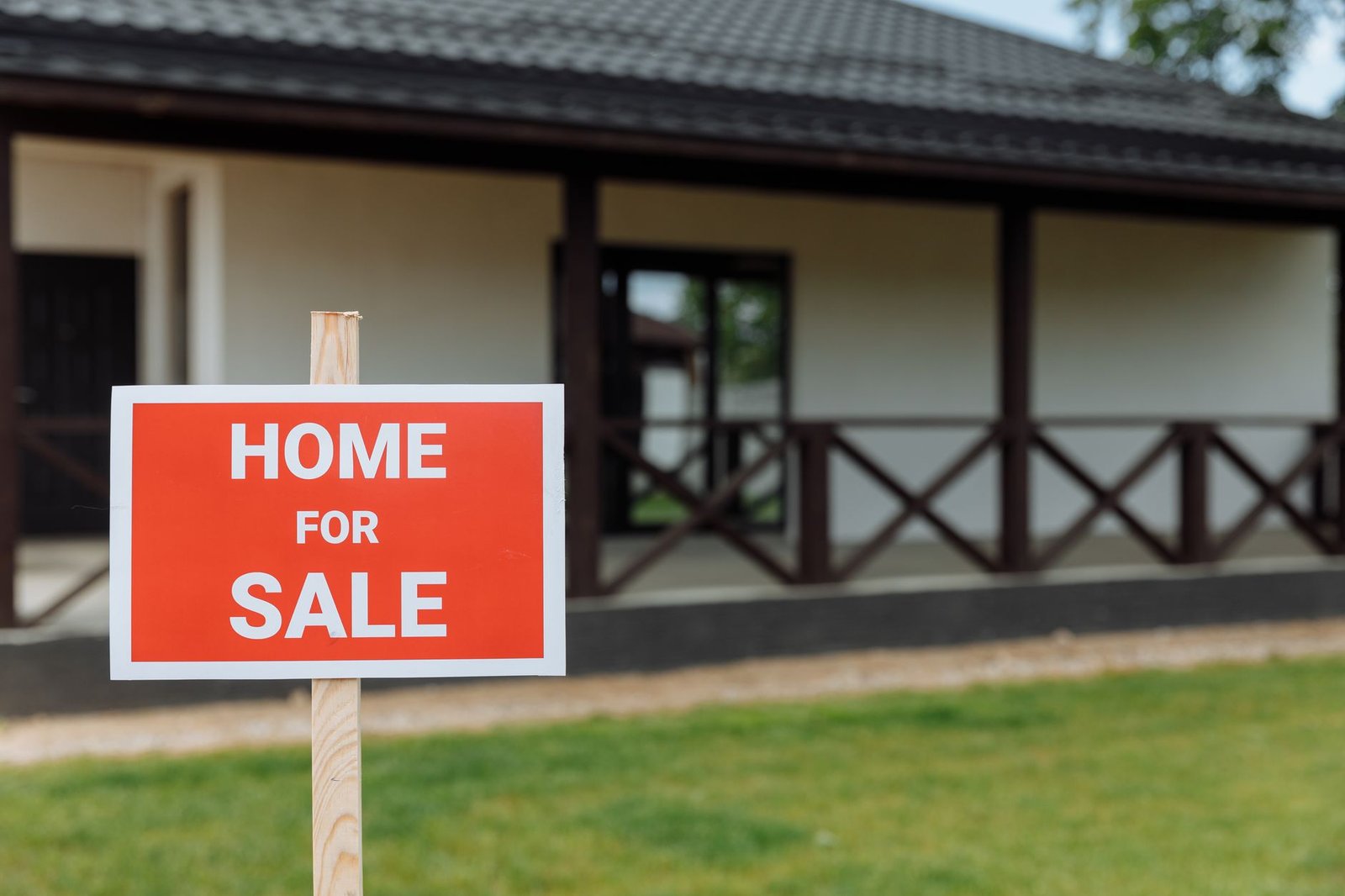
The Principal Residence Exemption (PRE) is one of the most valuable tax breaks in Canada — it lets you sell your home for $500K more than you paid and owe ZERO tax. Most homeowners use it without thinking. But the rules around partial use, multiple homes, and the new anti-flipping provisions have tightened significantly. Here’s the 2026 version.
What PRE eliminates
When you sell your home, the difference between what you paid (plus improvements) and what you sold for is a capital gain. Normally, 50% of that gain is added to your taxable income. The PRE lets you exempt 100% of the gain — pay no tax — if the property qualifies as your “principal residence” for every year you owned it.
Example: bought a Toronto townhouse for $400,000 in 2015. Sold for $1,100,000 in 2026. Capital gain: $700,000. Without PRE: $350,000 added to taxable income, ~$185,000 in tax. With PRE: $0 tax owed. Massive savings — this is why housing wealth is so concentrated in Canada.
The “ordinarily inhabited” test
A property qualifies as a principal residence in any year that it was “ordinarily inhabited” by you, your spouse/common-law partner, or your child. “Ordinarily inhabited” is broader than “lived in full-time” — courts have accepted seasonal use (cottages used summers only), short stays, and even uninhabited periods if part of a normal-use pattern.
What does NOT qualify: pure investment property (never lived in), vacant land held for development, business premises with no residential use.
The “one per family” rule
Since 1982, a family unit (you + spouse + minor kids) can only designate ONE property as principal residence per year. If you and your spouse own both a Toronto home and a Muskoka cottage, only one can be principal residence in any given year.
The strategy choice when you sell: designate the property with the highest per-year capital gain as principal residence for those years, leaving the other taxable on remaining years. Tax accountants run this optimization when families sell.
The +1 rule (formerly +1 years bonus)
The exemption formula gets a +1 year bonus to account for the year of sale. Formula:
Exempt portion = Capital gain × ((Years designated as PR + 1) ÷ Total years owned)
So if you owned a cottage for 10 years and designated it as principal residence for 6 of those years, the exempt portion is 7/10 = 70% of the gain. The remaining 30% is taxable. The +1 effectively lets you straddle a sale year between two properties without losing the exemption on either.
The 2023 anti-flipping rule
Starting 2023, residential property sold within 12 months of purchase is treated as business income (not capital gain at all). This means:
- 100% of the profit is taxable (not 50%)
- No PRE available
- Taxed at your full marginal rate
Exceptions for life-event sales: death, divorce, work relocation (40+km move), serious illness, growing family (birth of child), serious financial hardship. These exceptions preserve PRE on the gain.
The rule was designed to stop the assignment-sale flipping market in Toronto and Vancouver (buying preconstruction condos and reselling on close). It works — CRA audits residential property sales within 12 months automatically now.
Reporting on Form T2091
Since 2016, you must report the sale of your principal residence on Form T2091 even if 100% of the gain is exempt. Missing this filing can result in:
- Loss of PRE entirely (full gain becomes taxable)
- Penalty of $100/month, max $8,000
- CRA reassessment beyond the normal 3-year limit
If you sold your home and forgot to file T2091, file an amendment immediately. CRA generally accepts late-filing if you weren’t trying to evade.
The 1.25-acre limit
PRE applies to your house plus up to 0.5 hectares (1.25 acres) of surrounding land. For most urban + suburban homes, this is plenty. For rural properties or large estates, the excess land may be taxable as capital gain unless you can demonstrate it was “necessary for the use and enjoyment of the housing unit” (e.g., minimum lot size required by zoning, septic + well systems requiring acreage). Acreage-related PRE disputes are common in cottage country.
Partial-use scenarios
- Home office (working from home, no separate entrance, <50% of home space): Doesn’t affect PRE.
- Rented basement suite with separate entrance: The rental portion is partially taxable (proportional to square footage and years rented).
- Airbnb on a regular basis: Treated similarly to rental — may partially disqualify.
- Converted home to full-time rental, then back: Triggers “deemed disposition” at conversion. PRE applies up to that date; subsequent gain is taxable.
Frequently asked questions
Does PRE apply to condos and townhouses?
Yes — any “housing unit” qualifies, including detached homes, semis, townhouses, condos, mobile homes, houseboats, even shares in a co-op housing corporation. The unit must be capable of being inhabited and you/family must have ordinarily inhabited it.
Can I designate a cottage as principal residence?
Yes — a vacation property “ordinarily inhabited” (even just summer weekends) qualifies. But because of the one-per-family rule, designating the cottage as PR for a given year means your city home is taxable for that year. Tax accountants do the math to choose optimal designation when selling either property.
What about my house in Vietnam I lived in before immigrating?
PRE only applies for years you were a Canadian tax resident. The years before immigration don’t count. When you became Canadian tax resident, your foreign property got a “deemed acquisition” at fair market value (Form T1162) — sets your cost basis. If you sell years later, the gain from arrival to sale is what’s relevant. If you continued ordinarily inhabiting it (which is rare), it could qualify for PRE post-immigration. More commonly: your old home becomes a foreign property subject to T1135 and capital gains tax.
If I work from home, does my house lose PRE?
No — claiming home office deductions doesn’t disqualify PRE as long as: (1) you don’t make any structural changes to convert space to commercial use, and (2) you don’t claim capital cost allowance (depreciation) on the home. The CCA claim is the trip-wire — claiming it triggers partial PRE loss on the business-use portion.
Can I sell my home tax-free and buy a new one?
Yes — there’s no requirement to roll proceeds into a new home. Sell tax-free under PRE, keep all the cash, do whatever you want with it. The next home gets its own fresh PRE clock starting at purchase. This is fundamentally different from US rules (which had a roll-over requirement until 1997).
Related articles
Why Every Adult in Canada Needs a Will
A will isn't about being rich. It's about giving your family clear instructions so they don't have to fight, guess,…
Side Hustle and Gig Work Taxes in Canada: What the CRA Actually Wants From You
If you drive Uber, deliver for DoorDash, sell on Etsy, or freelance on the side, the CRA expects you to…
Best Cash-Back Credit Cards in Canada (2026)
The actual best cash-back credit cards in Canada for 2026 — no-fee winners, premium category cards, and the math on…