
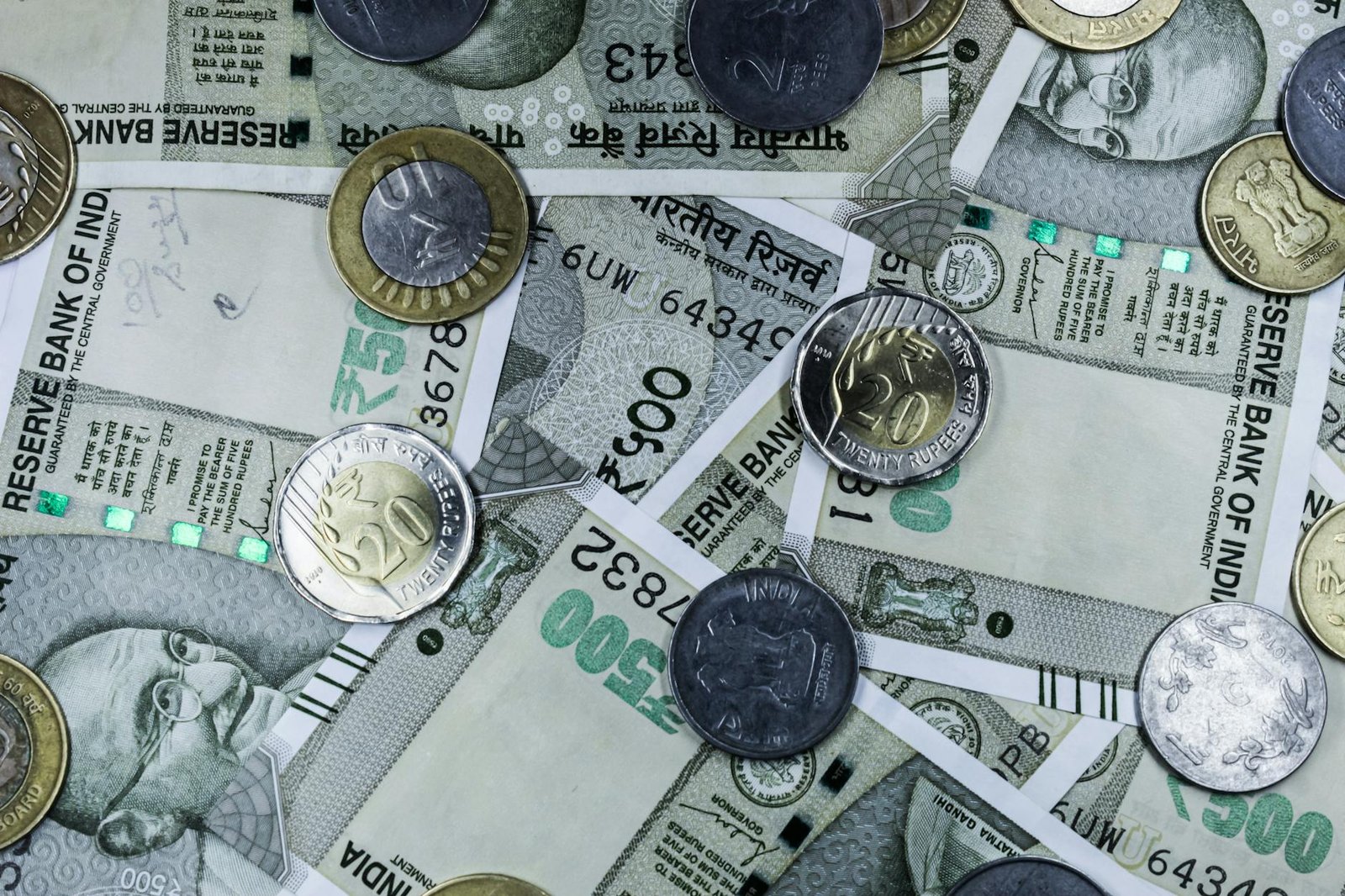

Canada’s Indian diaspora — about 1.4 million strong — sends roughly $6 billion CAD home to India every year. Most of it goes through banks at 3-5% combined cost (transfer fee + exchange rate markup). That’s $30-50 lost per $1,000 transfer, every transfer. Modern remittance services do it for under 1%. Over a few years of regular sends, the savings are substantial.
The honest comparison (2026)
The mid-market rate trick
Most remittance services hide their real cost in the exchange rate markup, not the visible fee. They show you “Send $1,000 CAD, recipient gets ₹60,000” and present a “$0 fee.” But the actual interbank exchange rate that day might have been ₹62 per CAD — meaning the service kept ₹2,000 (~$33) as their hidden markup.
Wise is the exception — they publish what they call the “mid-market rate” (the actual interbank rate) and charge a transparent small fee. The rate you see is the rate you get. Almost no other service does this.
To check any other service: compare their “you send / recipient gets” math against the live INR rate at Google Finance or Wise’s rate page. The gap between their rate and the mid-market rate is the real cost.
The recommendation by use case
- Sending $500-$5,000 to a family bank account: Wise. Mid-market rate, ~0.5% fee, 1-day delivery. Industry standard.
- Sending money for cash pickup (no bank account): Remitly. Strong agent network in India for cash collection at Bank of Baroda, ICICI, and Western Union locations.
- Sending under $500 frequently: Remitly Economy with their “$0 fee” promo for first few transfers — but check the rate against Wise to see which actually nets your family more INR.
- Sending $5,000+: Wise is still good but the percentage advantage shrinks. At higher amounts, also consider Knightsbridge FX or a specialized FX broker if you regularly send large amounts.
- Emergency, needs to arrive in minutes: Remitly Express or Western Union. Costs more but credits the recipient’s account in real-time.
What recipients in India need
- For bank deposit: Recipient’s name (must match exactly), bank name, branch IFSC code, account number. Most services require this.
- For cash pickup: Recipient’s name + government ID type + ID number. The transaction reference (MTCN for Western Union, similar for others) needed to collect at the agent location.
- For UPI/mobile: Some services (PayPal, occasional promos) support sending to Indian UPI IDs — fast but less common cross-border.
Tax in India: what your family needs to know
Money sent to family members in India is generally not taxable to the recipient under Indian tax law — it’s treated as a gift between relatives, which is exempt. The recipient should keep a record of the transfer (sender name, amount, purpose) in case the Income Tax Department of India ever asks. Transfers above ₹7,00,000 in a financial year may trigger TCS (Tax Collected at Source) on the SENDER side in India under LRS rules — but this applies to Indian residents sending abroad, not to remittances coming IN from Canada.
Related guides
- What My Community Actually Uses to Send Money Home
- The Complete Guide to Banking in Canada
- Do You Pay Tax on Money Sent to You From Overseas?
FAQ
Sending money to India FAQ
Is Wise safe for sending money to India from Canada?
Yes. Wise is regulated by FinTRAC in Canada and the FCA in the UK. Canadian users’ funds are held in segregated accounts at major banks. The service has been operating in Canada since 2017 and has facilitated billions in CAD-INR transfers without major incidents.
How much can I send to India per year without reporting?
On the Canadian side: no annual limit, no required reporting unless an individual transfer is $10,000 CAD or more (which FINTRAC automatically tracks via the remittance service). On the Indian side: no limit on incoming money for personal/family purposes.
Which service has the best Canadian-rupee exchange rate?
Wise consistently offers the closest-to-mid-market rate (typically within 0.3-0.6% of the true interbank rate). Remitly’s rate is usually 1-2% worse but they often waive the upfront fee on first transfers, which can offset the rate gap for small amounts. Always compare the “recipient gets” amount, not just the visible fee.
Can I send money to India using my Canadian credit card?
Yes through most services, but it triggers a cash-advance fee (~3%) on the credit card side + the service’s normal fee. Don’t use credit cards for remittances unless absolutely necessary. Funding from your Canadian bank account or debit card avoids that surcharge.
Frequently asked questions
How long does a Wise transfer from Canada to India actually take in 2026?
Most CAD-to-INR transfers through Wise land in the recipient’s Indian bank account within a few hours, sometimes under an hour if you fund the transfer with a debit card or Interac. Bank transfers from Canadian institutions like RBC or TD can add a day because Canadian rails are slower than the India side. Wise gives you an estimated delivery time before you confirm — that estimate is usually accurate within a few hours.
Do I need to report money I send to my parents in India on my Canadian tax return?
No. Sending your own after-tax money to family in India is not a taxable event in Canada and doesn’t go on your T1. The CRA only cares about money coming in (foreign income) or assets held abroad above $100,000 CAD (Form T1135). When my mom asked me about this — she was worried she’d have to declare the money she sends to relatives in Vietnam every year — the answer was the same: outgoing personal gifts to family are not reportable. Just keep records in case FINTRAC ever asks about a larger transfer.
What happens if I send money to the wrong IFSC code or account number?
If the account number doesn’t exist, the transfer usually bounces back within 2-5 business days and Wise or Remitly refunds your CAD (sometimes minus the original fee). If the account number is valid but belongs to someone else, recovery is much harder — you’d need to file a request with the receiving Indian bank and hope they cooperate. Always double-check the IFSC code on the recipient’s bank passbook or a recent statement before sending, especially for larger amounts.
Can I send money to India from a Canadian credit card to earn points?
Technically yes through some services, but the math rarely works. Most remittance apps charge 2-3% extra for credit card funding, and many Canadian credit cards code the transaction as a cash advance — meaning interest from day one and no rewards. Funding from a chequing account via Interac or direct debit is almost always cheaper, even if you give up 1-2% in credit card points.
Is it cheaper to send one big transfer or several small ones?
One bigger transfer, almost always. Wise’s fee structure has a fixed component plus a percentage, so a single $3,000 CAD send costs less than six $500 sends. The exception is if you’re using a promotional $0-fee offer for first-time or small transfers — but those promos usually have worse exchange rates baked in, which cancels the savings on anything above a few hundred dollars.
Related articles
What Provincial Health Insurance Doesn’t Cover in Canada
Provincial health plans cover doctors and hospitals, but not dental, drugs, or vision. Here's what newcomers need to know about…
Index Funds vs ETFs in Canada (2026): The Boring Truth About Cost
Index funds vs ETFs in Canada — fee differences, when each one wins, the TD e-Series story, all-in-one ETFs (XEQT/VEQT/HEQT),…
T1135 Foreign Property Reporting in Canada (2026): When You Must File
T1135 form explained — when Canadian residents must report foreign property over $100K, what counts, what doesn't, and the penalties…